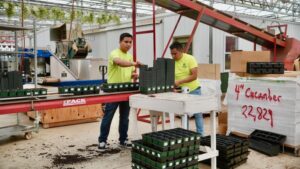
The partnership is designed to give growers broader access to complete automation solutions, from individual machines to fully integrated production lines.
From success stories in automation to promoting careers in horticulture, here are just a few of the lively presentations to expect as you plan your Cultivate experience.
With the increasing importance of energy efficiency in greenhouse heating and cooling, here’s what growers should know about environmental controls.
The Horticultural Research Institute, part of the AmericanHort Foundation, has announced its 2027 Leadership Academy class.
In the final part of a series of articles, greenhouse and components manufacturers highlight current trends and future market shifts in greenhouse design and technology.
The schedule of events at Cultivate seems to get larger every year. To help you out, we’ve highlighted four things you should add to your calendar today.
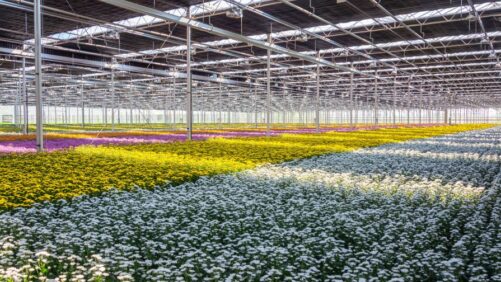
Despite looking marketable during production, underlying architecture issues in garden mums can lead to damage during shipping and handling.
Substrate pH is a vital part of supporting greenhouse crop health, but many factors can push it out of desired ranges.
The physical and environmental effects from organic mulches may disrupt the life cycle of short-spined thrips and reduce population growth.
In the sixth part of a series of articles, greenhouse and components manufacturers discuss how they are offering standardized products versus customized solutions.
From floral fleet management to new varieties from CAST 2026, here’s what you may have missed in Greenhouse Grower’s June 2026 issue.
The ATLAS (Application Technology Laboratory Automation System) robot is designed to streamline tank-mix compatibility testing.
In recognition of Father’s Day this weekend, check out this photo gallery of some of the men helping shape the future of the floriculture industry.