



Investigating Perlite Free Mixes for Propagation
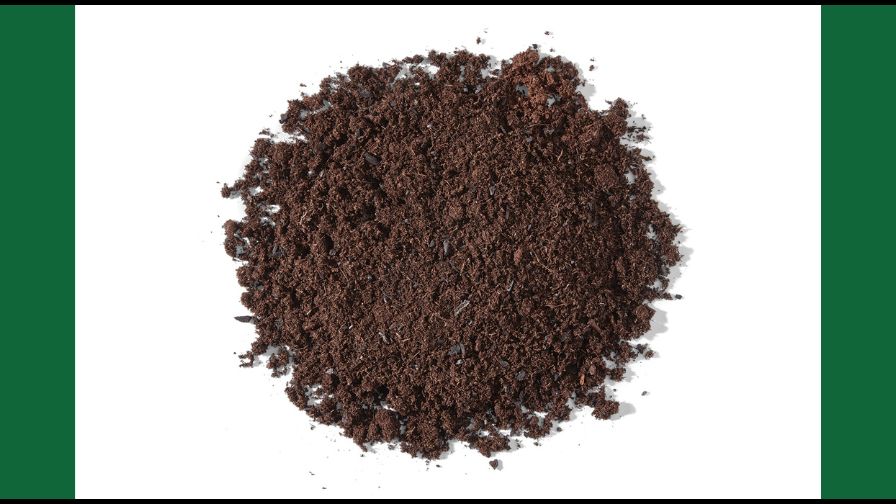
Sunshine® Black Bear® Indoor & Outdoor Potting Mix. | Sun Gro Horticulture
As greenhouse growers look to both reduce costs and supply consumers with plants produced in growing mixes that look more natural, one of the components that is targeted is perlite. Perlite has been a mainstay of growing media for years, and the majority of peat-based growing media sold to North American growers has included perlite, most commonly 10% to 20% of the mix.
In recent years, two main factors have contributed to a decrease in the amount of perlite used in professional growing media:
- Demand from retail customers for plants in a potting mix that looks more natural
- The increased cost of perlite as transportation and energy costs increase
Because of this, growers are looking to growing media companies and component suppliers to provide viable alternatives, especially for growing on mixes.
Changes to propagation mixes generally occur at a much slower rate, due to the high value of the plant material in comparison to the amount of mix used. A 2.8 cubic-foot bag of media will fill about 175 4-inch pots, thereby affecting up to 175 plants if issues arise. Similar problems would impact almost 38,000 seedlings when used to fill 406 cell plug trays. Therefore, any change in media components for a propagation mix for economic reasons also needs to also be horticulturally sound.
When looking at traditional growing media for propagation, the two most common blends have been peat:perlite and peat:vermiculite. There are also blends that include coir as a partial substitute for peat. The first move away from perlite has been to grow in 100% peat. These mixes, while common in Europe, have not caught on as much in North America due to the reduced air space and increased water-holding capacity associated with this change.
Wood fiber is a relative newcomer to propagation mixes, and there is still a lot of trialing to be done to avoid any major issues. The difference most commonly associated with switching to wood fiber is increased water holding. Growers will need to be aware of this and make changes in their cultural practices to accommodate this, should they decide to use it as an alternative to perlite.
An even newer aggregate, biochar, has the potential to become a component that would provide very similar physical properties to the perlite it would replace. Initial tests with biochar in growing on mixes have shown very similar physical properties to those of perlite. The use of this as an aggregate in propagation mixes is still in the testing stages.
Any grower looking to move away from perlite in their propagation mixes should conduct numerous trials to make sure that the alternate aggregate will work in their system. The most important change different aggregates will bring to a propagation mix is that of physical properties, namely air space and water holding. These are the two most critical factors for propagation media and need to be tested thoroughly prior to making changes away from perlite.
In general, perlite-free propagation mixes tend to hold more water and have less air porosity than their peat:perlite counterparts, but this can vary depending on the aggregate used to replace perlite. The factor influencing the physical properties of perlite free mixes the most is the particle size of the aggregate used to replace perlite. Coarser aggregates behave more similarly to perlite, providing structure, drainage, and air porosity, whereas finer aggregates will act more like peat, thereby increasing water retention and potentially reducing the amount of aeration in the root zone. A high-quality plug or liner can be produced in either case, but irrigation strategies may need to be modified in order to compensate for the changes in physical properties.

Chemical properties such as pH and soluble salts can usually be easily corrected in the blending process. Lime rates can be adjusted for aggregates that impact pH or aggregates that may contribute to the soluble salts of the mix. These effects can also have a secondary impact on air space if aggregate amounts need to be modified to correct for pH or soluble salts.
Growers should speak to others who may have trialed or switched to a different aggregate in order to help in the decision-making process. Knowing what to look for and what potential changes may be needed for successful use of the new product will help avoid any major issues down the road.
Once a potential aggregate is identified and approximate usage rates are determined, the grower should conduct several trials to make sure the blend fits their system and environment. Trials should be conducted using the grower’s conventional practices, but should also include flexibility to allow some modifications to adjust for differences in the mix with the new component. A mix may not work well when included with the standard mix and standard practice, but a change in the practice may provide equal or better results compared to the standard.
Making changes away from perlite (or any other aggregate for that matter) in propagation mixes requires paying strict attention to the impact on air space and water holding. The impact of a change on these two physical properties will affect a large number of plants and, therefore, any issues will be magnified in comparison to the impact on growing on mixes. Setting meaningful trials and taking time to review the results thoroughly are key to making these changes work.
Subscribe to eNewsletter