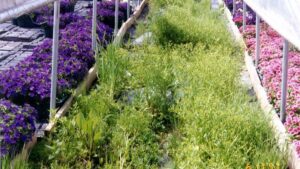
In the last of a four-part series, University of Georgia Ornamental Specialist Ping Yu looks at biochar’s physical and chemical properties, and provides a guide for those who may want to make their own biochar mixes.
One of the questions we asked in our 2025 State of the Industry survey was “Did you test or implement a new production technique this year? Here are a few responses that stood out.
ADVANCEA Academy’s ‘Introduction to Greenhouse Environmental Control for Crop Production’ is a 13-week online course starting Jan. 8, 2025.
Greenhouse Grower’s 2025 State of the Industry survey revealed some interesting strategies for battling insects, diseases, and plant health concerns.
Limonica Ulti-Mite combines predatory mites (Amblydromalus limonicus) with Koppert’s slow-release technology.
A new report from the International Association of Horticultural Producers offers economic insights from 12 countries and production data from more than 40 markets.
Brandan Shur and Israel Holby examine the benefits that tabletop growing systems and structure offer to greenhouse growers.
As demand for woodland natives rises, new research offers practical fertilizer guidance for forcing these species in containers.
In this episode, we talk to the team at CSPMA about the current peat situation in Canada, how members strive for sustainable peatland management, and some of myths behind peat.
During a webinar on Dec. 10, the team at Due Diligence Horticulture will outline how its new cold plasma can help protect greenhouse production facilities and crops from pathogens – including Botrytis – and ethylene-related losses.
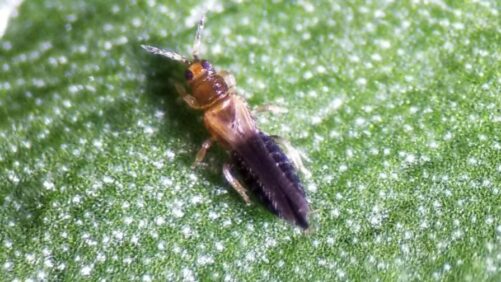
The cotton leafhopper, or cotton jassid, is an invasive pest that targets cotton, okra, eggplant, soybeans, and ornamentals like hibiscus.
Brian E. Whipker and company revisit an old e-Gro Alert on diagnosing substrate pH problems in the Christmas cactus.
Here are agronomic and cultural practices to put in place in order to protect your ornamental crops from nematodes.