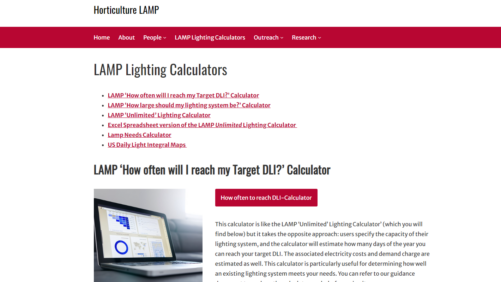
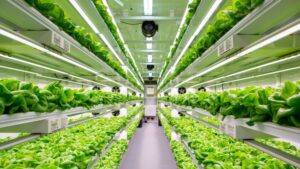
Project LAMP (Lighting Approaches to Maximize Profit) is a team of researchers that focuses on helping growers get more value out of their lighting systems.
Shade nets reduce air and canopy temperatures by blocking solar radiation, including photosynthetic active radiation, around the crops and thus lowering thermal energy exchange.
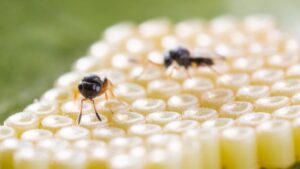
Nezapar, commercialized from the Trissolcus basalis, has shown effective results in preventive and light curative control of the Southern green stink bug.
Autonomous Growing is a development that has proven itself in a short time, giving growers new technology that enables them to take their operation to a higher level.
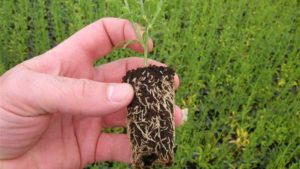
We talked to some growers from our Top 100 Growers list about their best management practices and the importance of paying attention to the root zone, as well as crucial areas to look at.
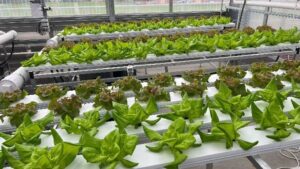
The controlled-environment segment in the fresh produce industry is growing rapidly, with new greenhouse growers entering the industry and long-standing growers expanding their operations.
The 5th annual Texas A&M Controlled Environment Conference is designed for new and experienced growers interested in specialty crop production under a controlled environment.
The objective of the program is to provide access to fresh produce, and create a positive environment where incarcerated persons can contribute directly to their community.
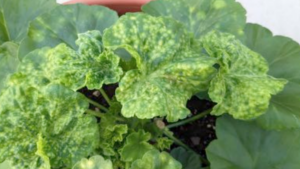
When two North Carolina State University researchers recently visited a grower, they found three plants, all different cultivars from the same breeder, with ring spots and mottling.