Red Sea Farms is a startup that uses agricultural engineering to process seawater and deploy it in an economically sensible way to reduce the use of freshwater in agriculture.
A partnership between Syngenta Vegetable Seeds and Four Growers could lead to faster crop advancements, reduced food waste, and more satisfied growers and consumers.
The purpose of the survey is to improve the quality of food safety educational programs and to develop a targeted university educational curriculum for indoor produce growers.
Gain insights from a group of small- to medium-sized operations on how they approach labor, technology, and building a long-term competitive advantage.
Like many other categories that saw dramatic increases in price over the past few years, fertilizer prices skyrocketed in 2022. But what’s in store for the rest of 2023?
An American Floral Endowment webinar on April 18 will offer an overview of different fertilizers on the market, as well as best practices and recommendations.
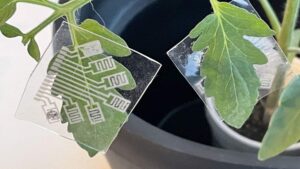
Researchers at North Carolina State University have developed an electronic plant patch that can be applied to leaves to monitor for different pathogens and stresses.