Production
Ways Indoor Farming Can Help Supplement the Food Supply Chain
November 19, 2021
The most successful cultivation teams strictly follow their production plans, and only under certain circumstances do they modify them.
High costs currently limit large-scale operations, but new technologies could help make the approach more popular.
TSRgrow, a horticulture solutions provider for the controlled-environment industry, launched a new podcast earlier this year that focuses on energy savings, sustainability, and more.
Suzanne Wainwright-Evans, a horticultural entomologist specializing in integrated pest management, was recently recognized by the Association of Natural Biocontrol Producers.
Glass House recently partnered with Seinergy to conduct an in-depth analysis of its environmental footprint.
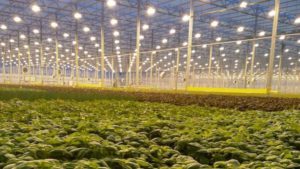
To capitalize on increased demand for its lettuce, this Michigan grower added a system that automates production from seed to harvest.
Potassium deficiency of greenhouse cucumbers can be initially observed as chlorosis (yellowing) of the older lower leaf margins.
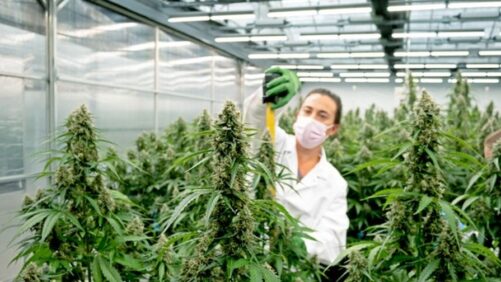
By adjusting irrigation, lighting, and climate throughout the grow cycle, proper crop steering gives cannabis growers more control over the performance of their harvest.
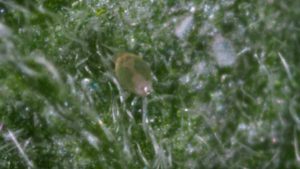
The predator Anystis, discovered by Vineland researchers, is effective against several key greenhouse pests.
The three-day on-site and online workshop is ideal for those just getting started in hydroponic growing or are novice growers looking to expand their knowledge.
Soil and substrate providers offer their best production tips to ensure you are getting maximum value from your growing media.
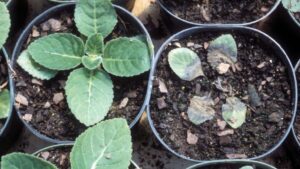
Environmental factors such as drought stress, exposure to high light or temperatures, or changes in relative humidity, can all cause poinsettia leaf abnormalities.
Hionis Greenhouses in Whitehouse Station, NJ, provided a learning experience for the third Eastern Produce Council Leadership Class.