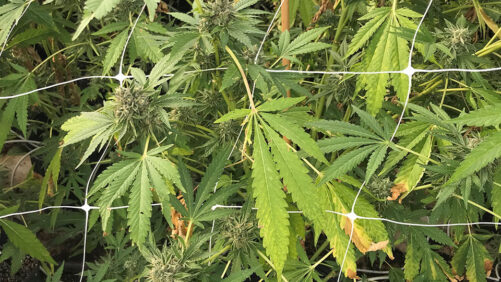
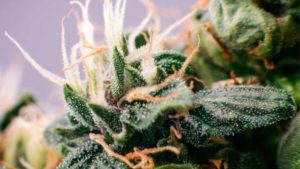
In the second of a two-part series, learn why cannabis needs adequate nutrients not only for the rapid growth of inflorescences, but also for accumulation.
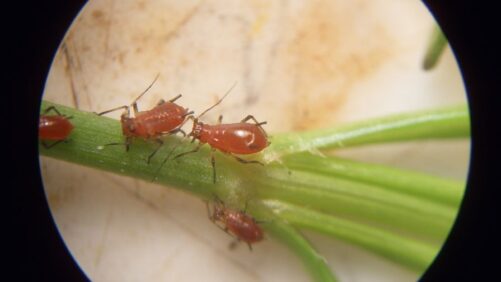
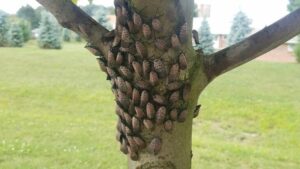
As controlled-environment growers continue to improve biological programs, they are shifting their focus to touting the benefits of their pest control strategies.
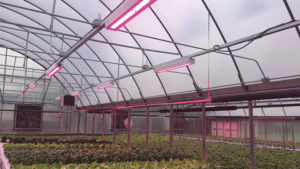
The online course is design to provide greenhouse growers with an opportunity to learn about all the aspects related to the selection, implementation, and benefits of plant lighting systems.
Learn how scientists are keeping up with industry concerns and using education and communication to deliver new and better biological tools for growers.
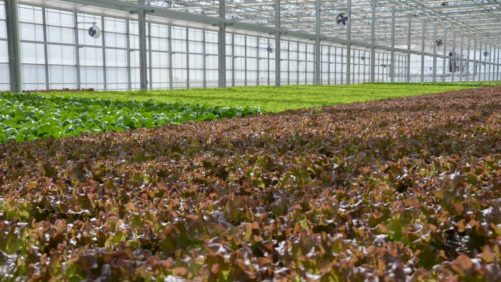
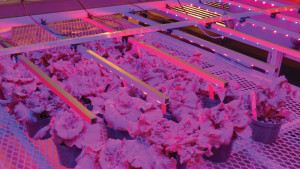
In an upcoming webinar, Michigan State University’s Erik Runkle will focus on the effects of the photon flux density and spectrum at regulating lettuce when grown hydroponically in vertical layers.
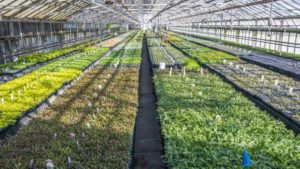
There are several factors to consider when planning new facilities, and for an existing structure, there are operational and efficiency streamlining concerns.