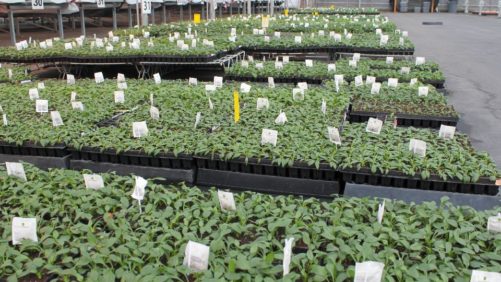
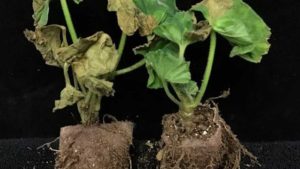
Ralstonia solancearum, a federal quarantine pest, was recently confirmed in a single geranium variety in a greenhouse in Michigan. It is the first confirmed case in the U.S. since 2004.
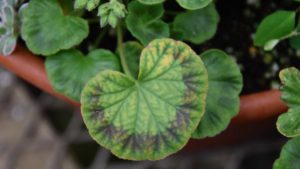
Michigan State University’s Garrett Owen highlights why growers should monitor and adjust substrate pH to prevent the development of nutritional disorders.
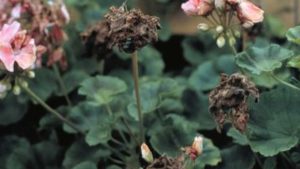
Botrytis cinerea, commonly called gray mold, infects many greenhouse ornamentals and is considered one of the most problematic plant pathogens in the world.
The coronavirus pandemic has had a profound effect on research, Extension, and education programs at land grant institutions, from sudden abandonment of research projects to a shift to online learning.
The University of Florida’s Institute of Food and Agricultural Sciences is once again providing four-week online training courses for the greenhouse industry this summer.
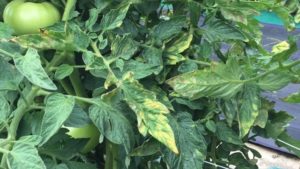
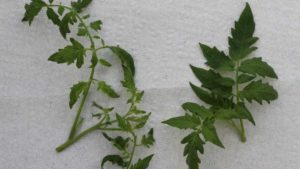
The tomato brown rugose fruit virus (ToBRFV) was only discovered in Florida in late 2019, but growers and other plant experts are not taking any chances.