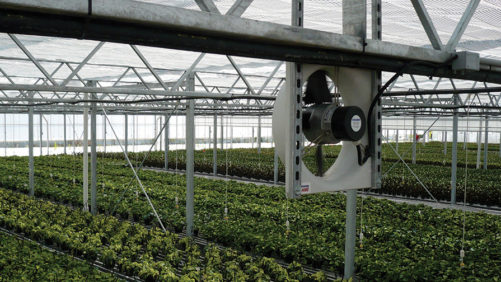
The key to mitigating development of this disease in the greenhouse is controlling relative humidity and periods of leaf wetness.
HPS and LEDs aside, what about all the accompanying features and digital add-ons producers are plugging into?
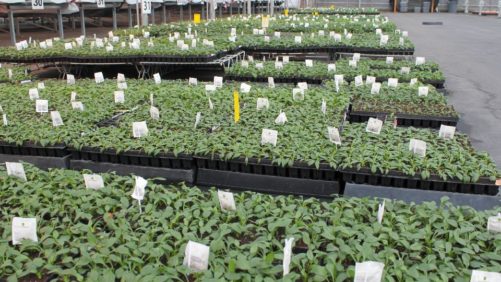
Great Lakes Growers recently broke ground on a 100,000 square foot expansion that will increase total growing capacity to 260,000 square feet.
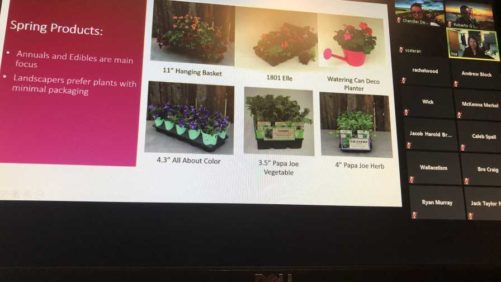
Find out more about the educational session lineup for learning opportunity hosted by University of Connecticut’s Greenhouse Research and Extension Program.
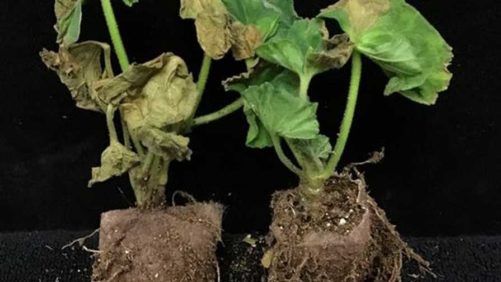
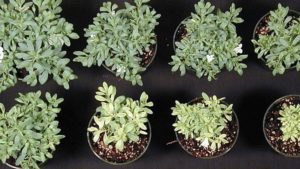
Researchers have identified seven microbial biocontrol agents that show promise for controlling this malady.
Fluence’s Sean Sangster answers 10 questions about the most efficient and effective ways to shed light on this hot alternative crop.
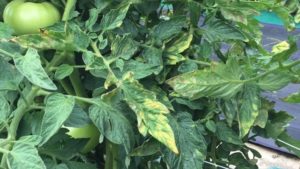
Failure to address early symptoms of bacterial spot in your greenhouse tomatoes can lead to significant damage and yield loss.
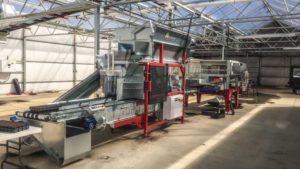
There are many areas within a cannabis operation where robots would be useful. See how the crop segment is opening up new opportunities for automation.
By knowing when you’ll be harvesting your crop, you can optimize sales planning as well as pricing.
Learn about a few proactive measures that can help you avoid problematic pathogens on your cuttings.
With all the uncertainty surrounding genetics, how can commercial growers overcome sometimes spotty seed and consistently deliver?
Photoperiod, light intensity, and light quality are all powerful tools that can help you achieve your scheduling goals and control your plants’ morphology.
Growers are always looking for the latest production information that will help them produce a higher-quality crop. Here are five examples of that.