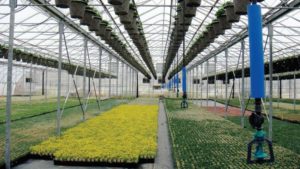
It’s time to beef up your integrated pest management program, but before you do, here’s a round-up of greenhouse crop protection products that are scheduled to — or already have — hit the market this year.
The monarch habitat will span more than 2 acres near Kelley, IA, and will include milkweed to attract and provide fuel for butterflies and other beneficial insects and pollinators.
Nature Hills Nursery has developed Plant Sentry, a comprehensive plant compliance system that is designed to ensure that e-commerce vendors grow and ship only plants that are fully compliant with phytosanitary regulations.
It’s simpler than ever to get your products spotted first at retail with the many new options that are out there for pots, tags, and labels.
Thrips lurking on cuttings can derail even the best pest control efforts. Adding cutting dips to your pest management routine may give you the preventive control you need to stop infestations before they start.
Pycana, which is labeled for use on ornamentals and other crops, contains natural pyrethrins and canola oil that provides quick control of several insects and mites.
The conference will take place Nov. 7-8, 2018, in Boxborough, MA, and will cover the fundamentals of greenhouse production.
Now with four generations in the business, Lambert still operates from the original location, along with a number of additional peat bogs.
Greenhouse growers are often converting back and forth from production week number to calendar date when scheduling crop management. A new tool developed by the University of Florida does these date conversions for them.
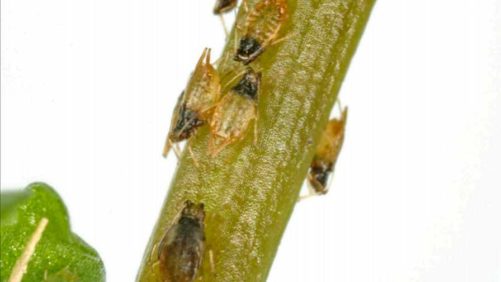
Implementing these easy steps to optimize your integrated pest management strategy for better control of aphids in the greenhouse will save you time and money.
Called Sunshine Mix PF, the new product contains grower-grade Canadian Sphagnum peat moss and naturally aged peatland aggregate.
Geraniums grown in substrates below an optimal pH range will exhibit chlorotic leaf spotting between veins, interveinal chlorosis, and marginal and leaf necrosis of the lower foliage.
Irrigation water that is alkaline contains bicarbonates, and as crops are irrigated over time, these bicarbonates will increase media pH.