Michigan State University Extension has updated its disease and insect management control guides for the 2024 greenhouse season.
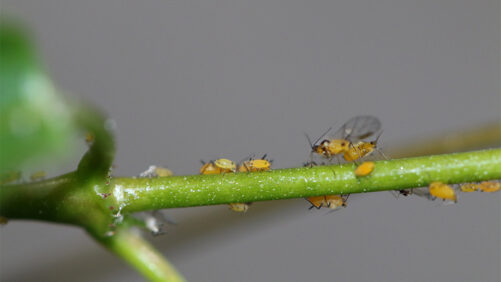
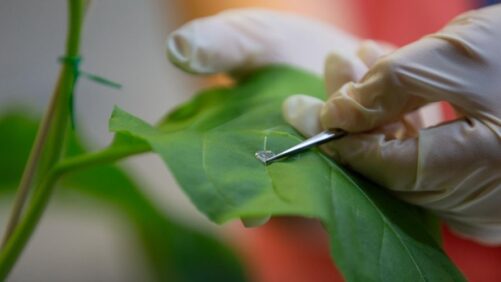
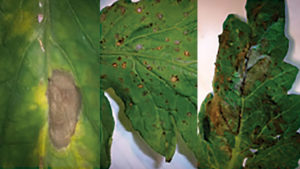
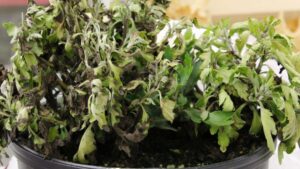
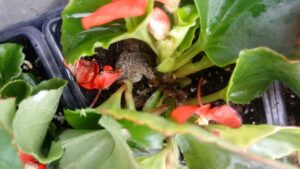
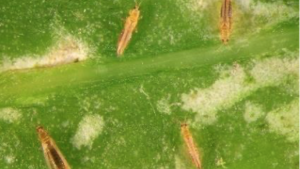
Correctly identifying the cause of a problem is the first step in effective and economic management practices.
Thanks to a generous gift by Ken and Deena Altman and an education grant from the American Floral Endowment, this year UF has added three new courses to the program.
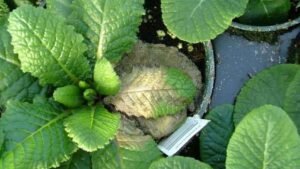
Botrytis can persist in the greenhouse on plant debris under benches as well as actively growing plant tissues, which makes sanitation and scouting key in the management of this disease.
Ensuring your crops are protected from propagation to shipping is essential, and a proven agronomic program can help set you up for a successful season.
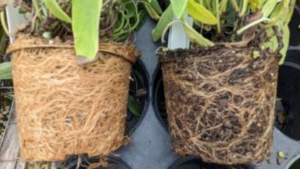
Soil and plant fungus can pose significant challenges in growing potted nursery products, but there are different ways to address them.
The upcoming BioSolutions Conference and Expo will feature two greenhouse-specific educational presentations highlighting the latest research in disease control.
There are many advantages to using microbial products, including short reentry intervals, short pre-harvest intervals, and good plant safety.
During these presentations, nationally recognized researchers, hosts, and speakers offer how-to advice based on AFE-funded and other research projects.

Calcium deficiency and Botrytis are two major issues that can cause bract burn and unmarketable plants.
Automation and artificial intelligence help growers stay ahead of diseases.
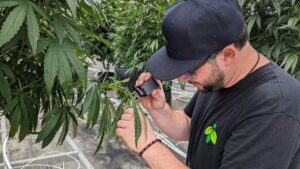
The high temperatures and humidity required to grow agriculture indoors often sets the stage for a large number of microorganisms to flourish.
Containing the active ingredient fluoxastrobin, Floxcor fungicide controls 28 foliar, stem, and root diseases, including anthracnose, leaf spot, and pythium blight.