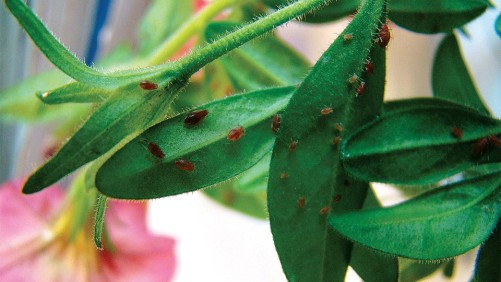
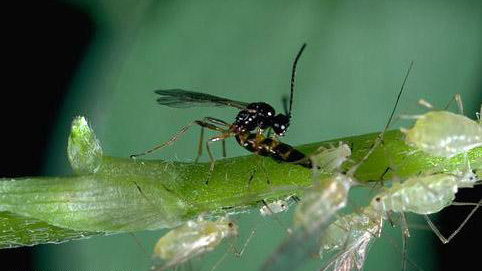
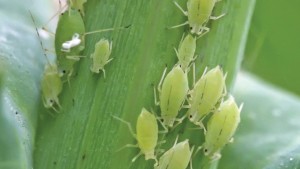
When untreated, aphids damage ornamental crops and act as vectors for disease. Integrated Pest Management combined with vigilant scouting can help you stay ahead of the problem.
While the Environmental Protection Agency conducts preliminary risk assessments of neonicotinoid pesticides and retailers phase them out, the industry focuses on promoting pollinator gardens.
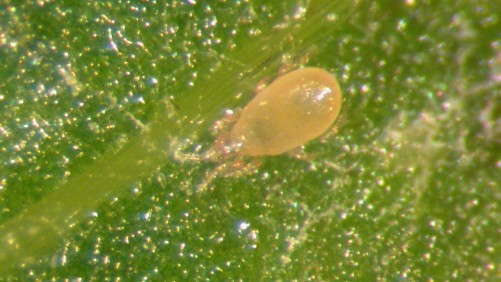
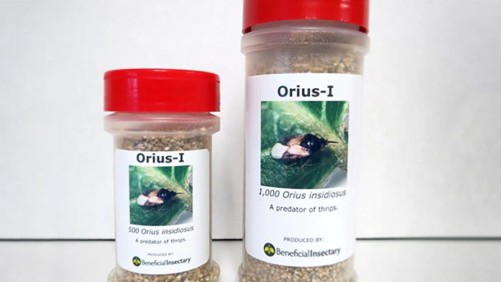
Biocontrols are useful alternatives to traditional pesticides that provide effective pest control in the greenhouse. Here are four ways to get started successfully.
John Wendorf, who previously managed BFG Supply’s grower division, says when Bayer launches into the ornamentals market this November, growers will have access to a wealth of resources, including a dedicated team focused on ornamentals growers.
Featuring the active ingredient cyantraniliprole, Mainspring GNL provides broad-spectrum control of key pests, such as thrips, whiteflies, aphids, caterpillars, leafminers, and leaf-feeding beetles.
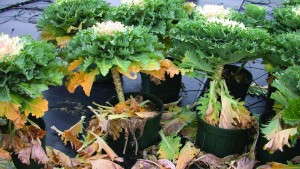
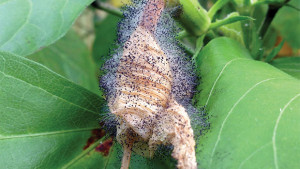
High relative humidity and low temperatures in the greenhouse open the way for Botrytis to develop on plants. A mix of cultural and fungicide control options will help you manage this common disease effectively.
Bioline, a subsidiary of Syngenta, specializes in the production and marketing of biological control agents, and in particular macroorganisms active against insect pests in fruits, vegetables, and flowers.
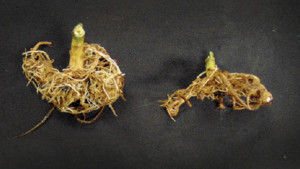
Water-mold pathogens cause significant crop losses and reduce floriculture crop quality. Take measures in your greenhouse to prevent the spread of diseases like Phytophthora and Pythium.
The $12 million facility will feature two new high-tech greenhouses that will be used in the development of new solutions in vegetable seeds and biologicals.