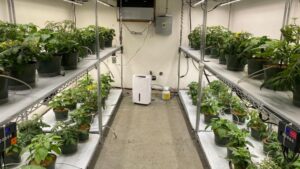
Here’s a closer look at a few of the Floriculture Research Alliance’s ongoing projects, most of which are being led by students.
Oxalis is difficult to control because it can spread by rhizomes, stolons, and seeds. Populations can negatively affect the growth rates of ornamental crops.
This Ohio-based grower is investing in its people, its plants, and its processes to deliver a high-quality crop.
The transaction builds on Cox Enterprises’ more than $1 billion investment in sustainable technologies since 2007.
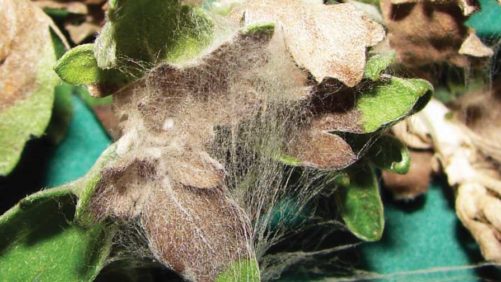
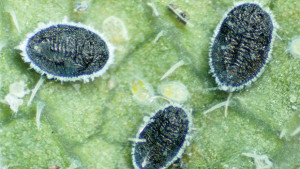
A new digital handbook offers identification, prevention, and management tips for several pests.
Learn how Revol Greens’ Vice President of Food Safety Dinesh Babu is being proactive in facing one of the industry’s top challenges.
The study’s results are crucial for both indoor production by consumers and for commercial growers producing crops in a controlled environment.
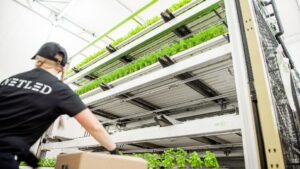
On July 20, the Ohio Controlled Environment Agriculture Center’s first annual CEA conference will be accessible in person and online.
Experts from Griffin highlight why the choice of fertilizer formulation should be made based on water quality, irrigation equipment and growing media, and type of production system.
In an interactive webinar in June, cannabis consultant Ryan Douglas will share insights on buying vs. building your production site, advice for selecting genetics, and more.
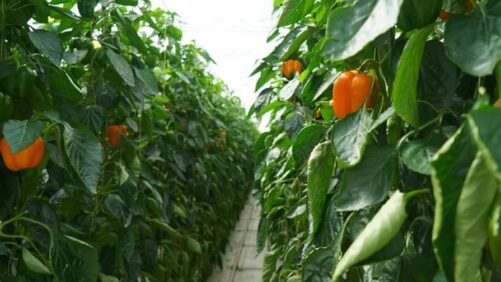
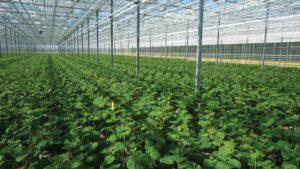
Here’s a closer look at a few products that can help you grow a high-quality greenhouse vegetable crop.
Plants benefit from endomycorrhizal fungi through increased nutrient uptake, improved plant growth, increased flowering, drought tolerance, and mitigation of excess uptake of heavy metals.
The Ontario Greenhouse Vegetable Growers is partnering with the University of Windsor and Kruger Energy to investigate using wind farms to power and heat greenhouses in Southwestern Ontario.