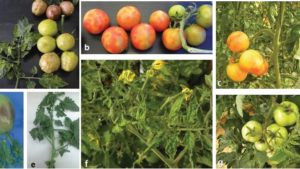
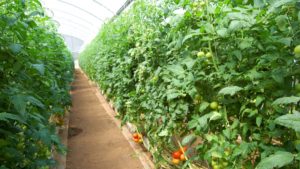
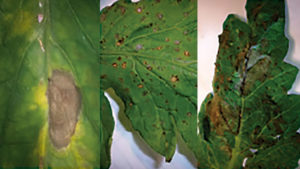
Although brown rugose fruit virus has not been found in Canada, The Canadian Horticultural Council is advising growers to watch for it and to review and renew biosecurity efforts.
Plant tag and label manufacturers are facing mounting pressure from consumers to be part of the solution around reducing overall use of plastics in consumer goods.
Sakata Seed America is getting into the substrate business with the formation of a strategic alliance with major European substrate producer Floragard Vertriebs GmbH.
In some cases, growers fertilize their garden mums too late into the production cycle, resulting in elevated soluble salts levels in the growing media.
Biostimulants are a diverse group of sustainable products that can increase overall plant health and crop quality by promoting growth and enhancing environmental stress tolerance.
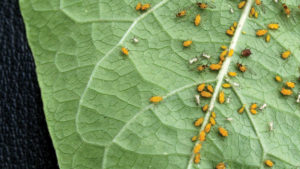
The best IPM programs incorporate sustainable and cost-effective management strategies that ultimately deliver high-quality plants for retailers and consumers.
Whether through foliar assault or ground attack, take control with application techniques and strategies that maximize beneficial nematode effectiveness.
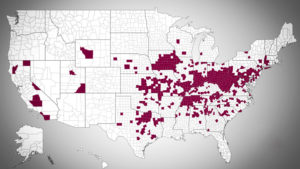
A team of industry and academic leaders has tracked rose rosette across the U.S., developed new diagnostic tools, and expedited breeding with hundreds of new molecular markers.
The California Department of Pesticide Regulation has posted a list of common pesticide use violations, as a tool for helping growers ensure they are in compliance.