Intelligent Setpoint Control for LUNA AI, a closed-loop system for autonomous climate control in horticulture, pairs climate data with comprehensive plant performance data using computer vision.
The new wi-fi monitors are designed to offer accuracy and reliability when it comes to making sure key growing parameters pH, conductivity, and temperature remain within range.
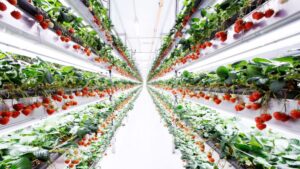
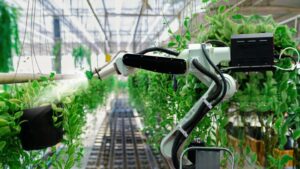
A series of Yaskawa Electric robotic arms will power the world’s largest vertical strawberry farm, operated by Oishii. The robots will work in concert with Oishii’s state-of-the-art infrastructure.
The greenhouse industry doesn’t need regulations to operate a more efficient greenhouse. They need the right technologies at the right price with the right knowledge.
The center, developed with hydroponic systems developer Light4Food, enables the growing media specialist to carry out university-standard materials and plant growth research in-house.
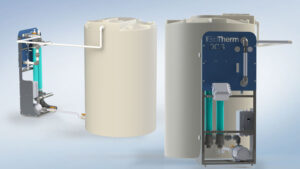
The BioTherm Dissolved Oxygen System (DOS) is a gas-to-liquid infusion technology that increases measurable dissolved oxygen levels in irrigation water.
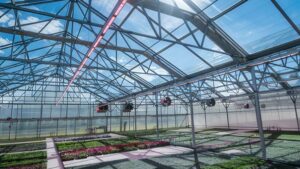
Signify, Wageningen University & Research, and Nunhems recently conducted research that shows that the use of far-red light can produce an additional yield of almost one fifth in some tomato varieties.
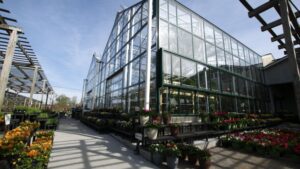
From the time founder Laurence “L.J.” Stuppy began selling roses from a storefront in St. Joseph, MO, Stuppy Greenhouse has adapted as the markets changed, and sometimes changed the market itself.
Members of the Resource Innovation Institute explore the various lighting metrics essential for greenhouse production and their impact on the growth and development of your crops.
That’s the question a research project involving the University of Windsor, TELUS, and the Horticultural Technology Centre and Academy is attempting to answer.
With the help of benchmarking tools, growers are putting a greater focus on where they can make savings in energy, water, and greenhouse gas emissions.