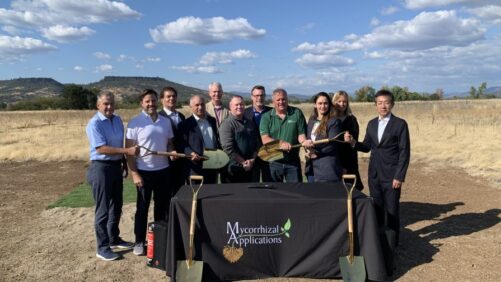
Mycorrhizal fungi colonize plant roots to create a symbiotic root-and-mycelial network within the surrounding soils, increasing efficiency in nutrient and water absorption to optimize plant quality.
John Price joins Envu from SBM Life Science, a leader in consumer products for lawn and garden care, where he served as the North American head of marketing and innovation.
The conference offers a unique opportunity to gather new information, insights, products, and personal connections that will help your greenhouse business grow for the future.
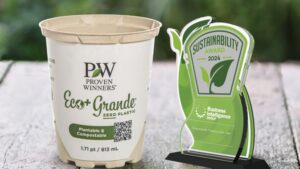
Made from natural sugars derived from corn kernels, Eco+ Grande and Eco+ Quart containers look, act, and perform like plastic pots but break back down completely over time.
Many food safety risk factors in controlled-environment agriculture are more controllable than those in open-field farms, but that doesn’t mean those risks aren’t present.
Our recent Young Plant Grower survey highlights the importance of regular communication to alleviate concerns about pest issues, shipping delays, and more.
Orange oil is extracted from the peel of oranges through a natural cold pressing method. Companies like Dümmen Orange are using it to reduce the use of chemical crop protection.
The USDA’s Natural Resources Conservation Service is hosting a webinar on Sept. 14 that will provide details on how to design and operate water circularity systems in greenhouses and indoor farms.
Quality Greenhouses and Perennial Farm, Greenhouse Grower’s 2023 Medal of Excellence Winner for Operation of the Year, is defined by its resiliency, variety, compassion, and smart approach to innovation.
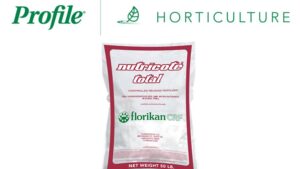
Nutricote controlled release fertilizer has a predictable release curve proven to consistently deliver essential nutrients to crops during their entire growth cycle.